An Eye on the Present. An Eye to the Future.
Podcasts, Blogs, and More
Media
Uncut discussion, real voices
Collision of Worlds
Candid, relatable, and unapologetic approach to discussions. Bringing humor, heart, and insight to every episode. Real people, real experiences, nothing is off-topic.
Featured on Lotus Launch
Greg speaks with Becky LeBret on harnessing the power of your neurodivergence to innovate and connect with strong action oriented integrators.
More editions of Collision of Worlds coming soon
Be the first to know
Blurbs and Blogs
Greg's thoughts, interviews, and conversations. Unfiltered and in his own words.
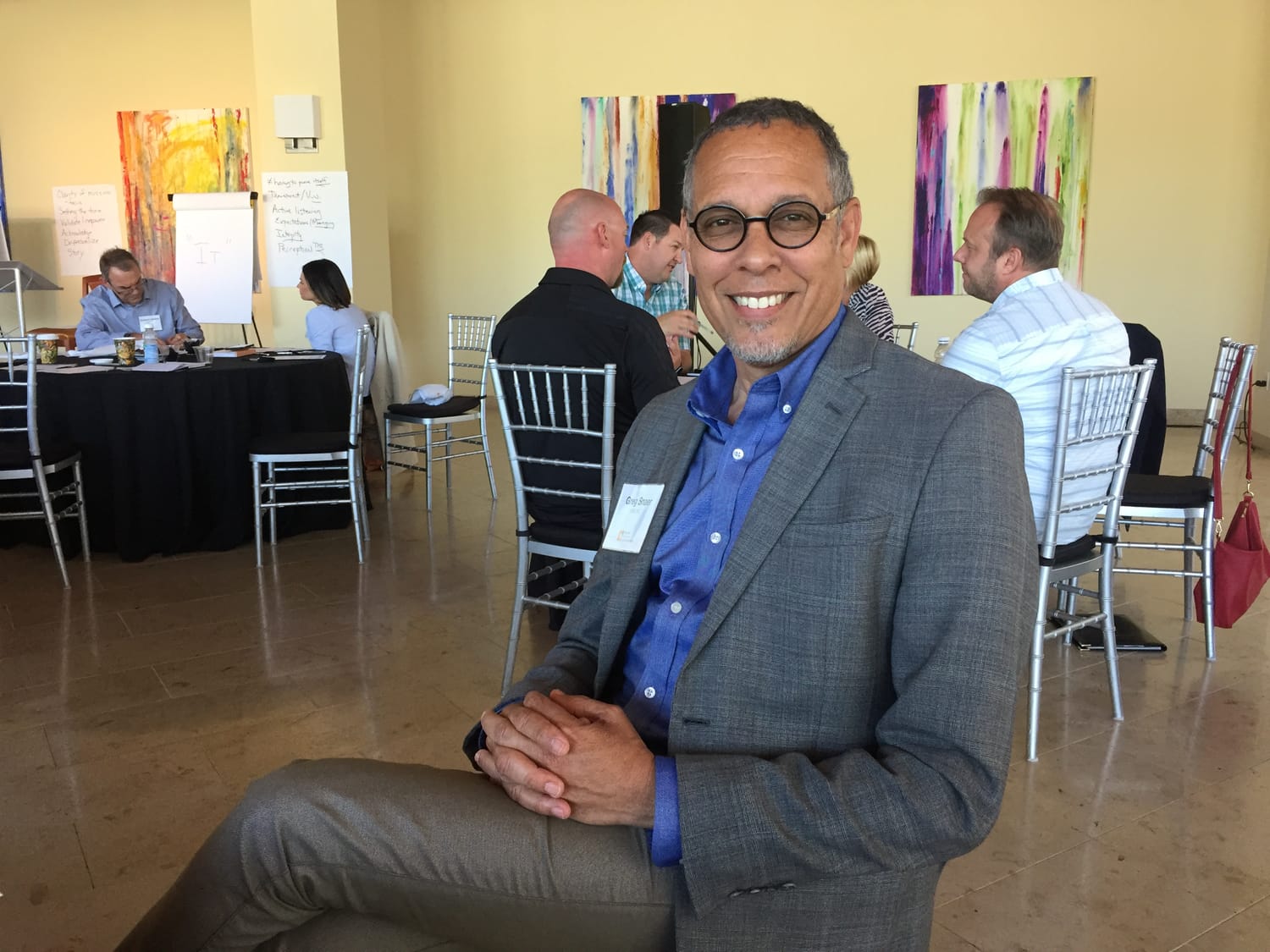
CSUSM seniors interview Greg for Learning Designed
"Greg Snaer describes discovering his life’s work through a nonlinear path shaped by curiosity, diverse experiences, and self-discovery. His journey highlights how exposure to multiple industries and life experiences can build a unique ability to connect ideas and people…and argues that education must shift toward early development, hands-on learning, and critical thinking to better prepare students for meaningful work."
Be the first to know-Subscribe below!
Get early access to our upcoming events, retreats, workshops, and promotions.
Your email address is safe with us. We never share your information with anyone.
An Eye on the Present. An Eye to the Future.
Sign In
Book a Session
Contact Us
gregs@gregsnaer.com


In Collaboration with Brian DeLuc
At Learning, Designed
Discovering Life’s Work
Meaningful work is discovered through exploration, curiosity, and connecting diverse experiences over time.
“It took me a long time to discover my life’s work because my path was anything but linear. I moved through many different industries and roles, not because I was unfocused, but because I was deeply curious and wanted to understand how things worked.”
“Each experience I had, no matter how unrelated it seemed at the time, added something valuable. Over time, it felt like I was building a larger and larger foundation that I could draw from in different situations.”
“I’ve come to believe that being a ‘jack of all trades is a master of none, but often times better than a master of one’ is actually an advantage. When you’ve experienced a lot of different things, you’re able to connect ideas across industries and relate to people in ways that a more narrow path might not allow.”
“Where I’ve ultimately landed in coaching and consulting is really a reflection of all my experiences coming together. It allows me to connect with people regardless of their background and help them make
Self-Awareness and Personal Growth
Understanding yourself, your strengths, challenges, and how you think, is critical to building a meaningful career.
“One of the biggest things I wish I had understood earlier was myself. I wasn’t diagnosed with ADHD until much later in life, and that changed how I understood my experiences, my learning style, and the way I approached work.”
“For a long time, I was told to just apply myself, but without understanding how I actually learn and process information, that advice didn’t fully land. Once I understood how I operate, I was able to navigate my career much more effectively.”
Mentorship and Relationships
Mentorship is essential, but it should be a two-way, mutually beneficial relationship.
“I’ve had mentors who made a huge impact on my life, especially in helping me understand how to navigate challenges and see things from a different perspective. But mentorship shouldn’t be one-sided. The best mentorship relationships are symbiotic, where both people are learning from each other and growing together.”
“If a mentor isn’t learning from you in some way, that you are learning from them, then it’s not really a mentorship. It is just someone giving advice. The real value comes from that exchange.”
Skills, Signals, and Transferable Learning
Skills gained across different experiences often become valuable in unexpected ways.
“I didn’t realize earlier, I was building skills in each role I was in and that would later transfer into other areas of my life and career. It wasn’t until later that I began to consciously recognize how those skills connected and how I could apply them across different situations and industries.”
AI and the Future of Work
AI will shape every aspect of life, but its impact depends on how people choose to use and guide it. There may be periods of disruption may be necessary to create new eras of innovation, creativity, and growth.
“AI is going to shape every part of how we live and work. It already has, and it will continue to evolve in ways that touch nearly everything we do. Like any tool, AI is a double-edged sword. It has the potential to be incredibly powerful, but it depends on how we use it and what we choose to put into it.”
“It’s up to us to guide AI in a positive direction by feeding it empathy, compassion, and better representations of people and experiences, a concept I learned from Dalia Wood. If we’re intentional about how we use it, AI can reflect the values we want to see in the world, but if we’re not, it can reinforce the problems that already exist.”
“I know there is fear that AI will have it all crashing down around us, but sometimes this kind of disruption is necessary. We have to have the dark ages before the times of enlightenment. Historically, periods of breakdown lead to new eras of creativity, innovation, and growth like the renaissance. We are going to get something out of it in the end.”
Education and Preparing Students for Meaningful Work
Education must shift toward early development, hands-on learning, and critical thinking rather than memorization.
“Education needs to start much earlier, not just in schools but in the home. Early development plays a huge role in how people learn, think, and engage with the world. We’ve moved toward teaching to the test, where students are learning information just to repeat it, rather than learning how to think, solve problems, and apply knowledge.”
“Hands-on, experiential learning is critical. People learn by doing, by experimenting, and by working through challenges, not just by consuming information. One of the most important things we can teach is critical thinking, how to analyze, question, and make decisions. That’s what prepares students for real-world situations.”
“The best learning often comes from failure. When students are allowed to struggle, problem-solve, and figure things out on their own, they develop not just knowledge, but critical thinking, resilience, and the ability to adapt, which are the skills that actually prepare them for meaningful work.”